Coquitlam, Port Coquitlam overdose calls fall 40%; BC deaths decline
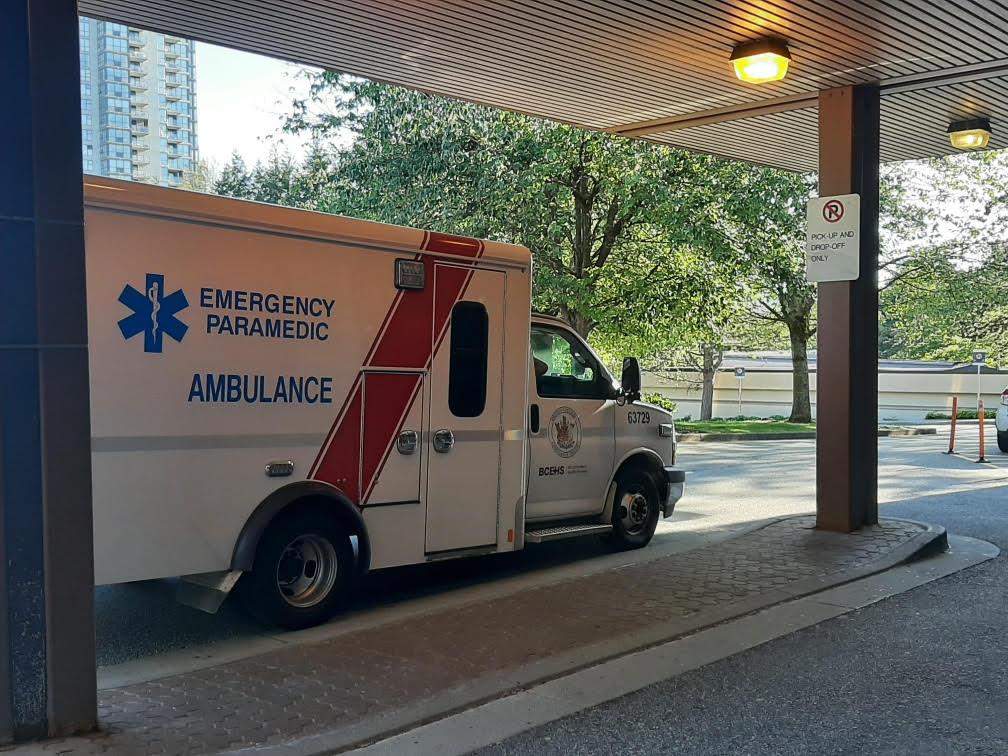
A significant drop in overdose-related calls was reported by emergency responders in Coquitlam and Port Coquitlam for this year, mirroring a provincial decline in deaths from toxic drugs which some experts believe is due to changes in the illicit drug supply.
Between January and November, Coquitlam Fire Rescue saw overdose calls fall by 40.8 percent compared to the same period in the previous year. A similar 40 percent decrease was recorded by Port Coquitlam Fire and Emergency Services. However, Port Moody's fire chief stated that their overdose call numbers are expected to be similar to last year. This local trend is consistent with province-wide data from the BC Coroners Service, which reported a 25 percent decrease in toxic drug deaths between January and September compared to 2024, although deaths remain higher than when a public health emergency was declared in 2016. Since that declaration, at least 16,047 people in the province have died from unregulated drug toxicity.
The reason for the decline is not definitively known. Dr. Kora DeBeck, a professor at Simon Fraser University’s School of Public Policy and a research scientist with the BC Centre on Substance Use, suggests the trend is likely linked to changes in the unregulated drug supply, as similar decreases are being observed across North America. This theory is supported by coroners' data showing that fentanyl was detected in 77 percent of toxic drug deaths in 2025, the lowest percentage since 2016. The drug supply remains contaminated with other substances like benzodiazepines.
Vancouver Mayor Ken Sim has credited a police-led task force in the Downtown Eastside with reducing overdose numbers in that city. However, DeBeck has disputed this claim, citing a lack of evidence and pointing to broader trends that suggest a different cause. The unpredictability of the unregulated drug market makes it difficult to determine if the current decline in deaths will continue. A similar drop in 2019 was followed by a sharp increase the next year.